What exactly is an “airborne disease?” Does a virus have little wings to fly with?
No. Typically, a virus that’s described as airborne travels through the air on the bioaerosols we constantly breathe out, all day long, everywhere we go.
So when we say “it’s flu season,” for example, we’re not dealing with flying entities. We’re dealing with floating bioaerosols that carry a higher load of virus than normal. As we walk into a room, the aerosols from anyone who was there before us can be inhaled — even from several hours earlier.
On top of normal office traffic, dental procedures often generate even more aerosols due to their very nature. Because dental procedures tend to involve an open mouth, dental offices are one of the highest-risk environments for airborne diseases.
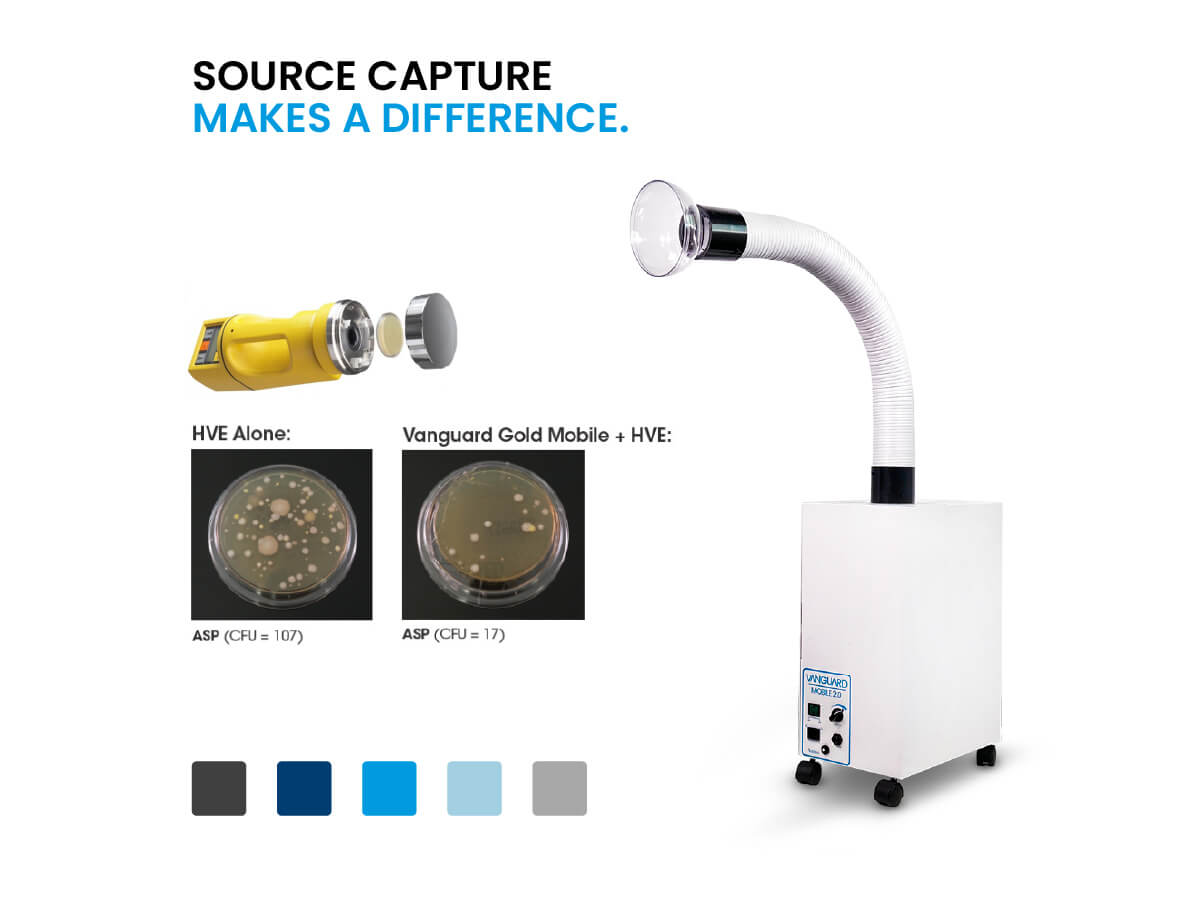
The solution? A multi-pronged approach to mitigating aerosol spread, including source capture.
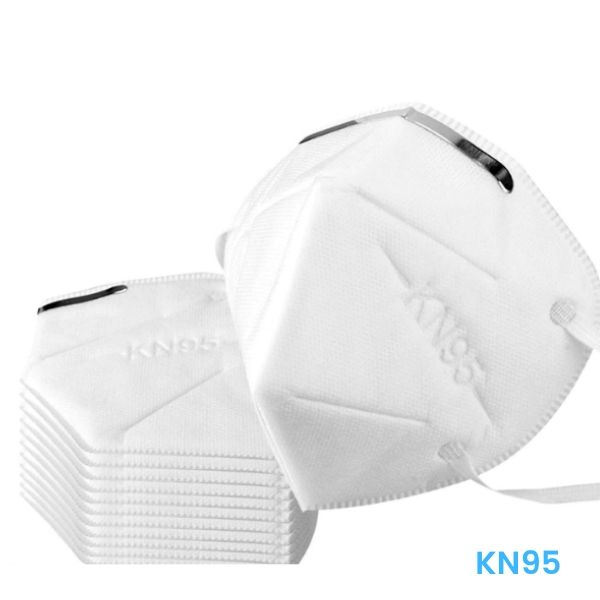
Source capture with masks
Masks are great for source capture. There’s a reason the CDC recommended masks so highly during the COVID-19 pandemic. When everybody participates in this source capture effort, we can reduce aerosols that may carry viruses between 50-70%. It’s not 100%, but it’s a lot more than zero. Dental staff have been required to wear masks for generations now.
Of course, masks are not an option for the patient during a dental procedure. You can’t access teeth with a mask on. Furthermore, most dental procedures create more aerosols than simply breathing or speaking.
Source capture with extraoral suction
Some dentists opt for intraoral suction; however, most intraoral suction devices are too finely localized to capture a significant outpouring of bioaerosols. They are designed more for large droplets. But droplets drop; aerosols are airborne.
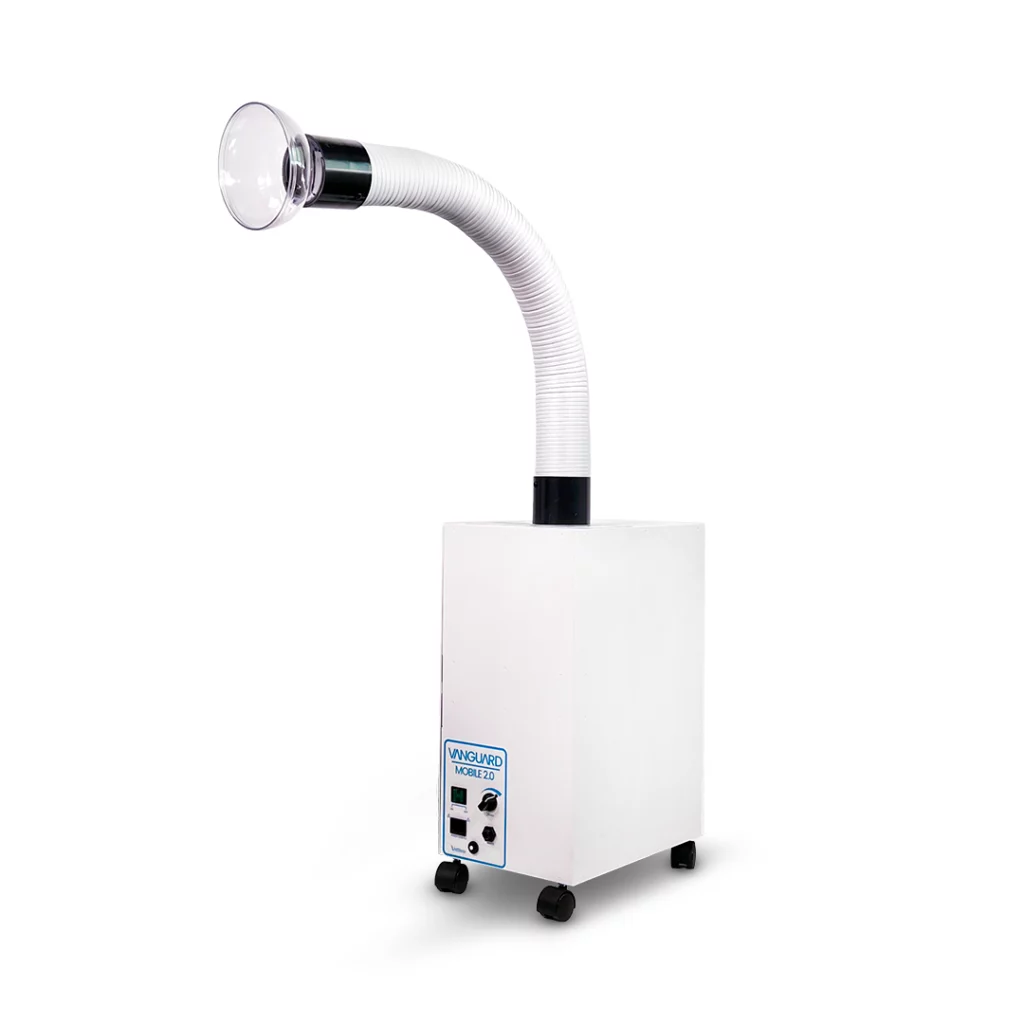
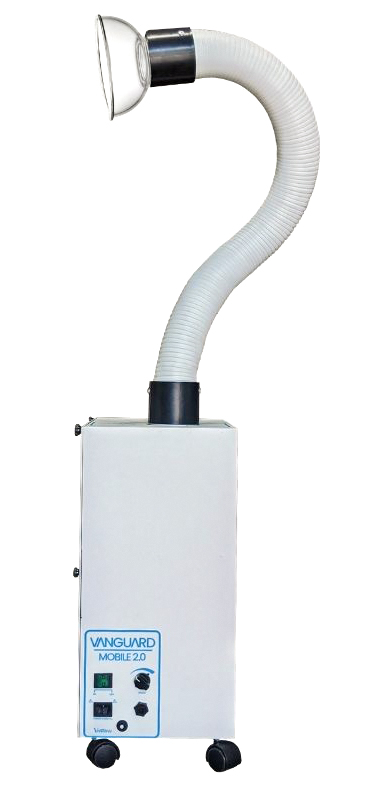
Instead, dental practices should use extraoral suction near the patient’s mouth for capturing aerosols at the source.
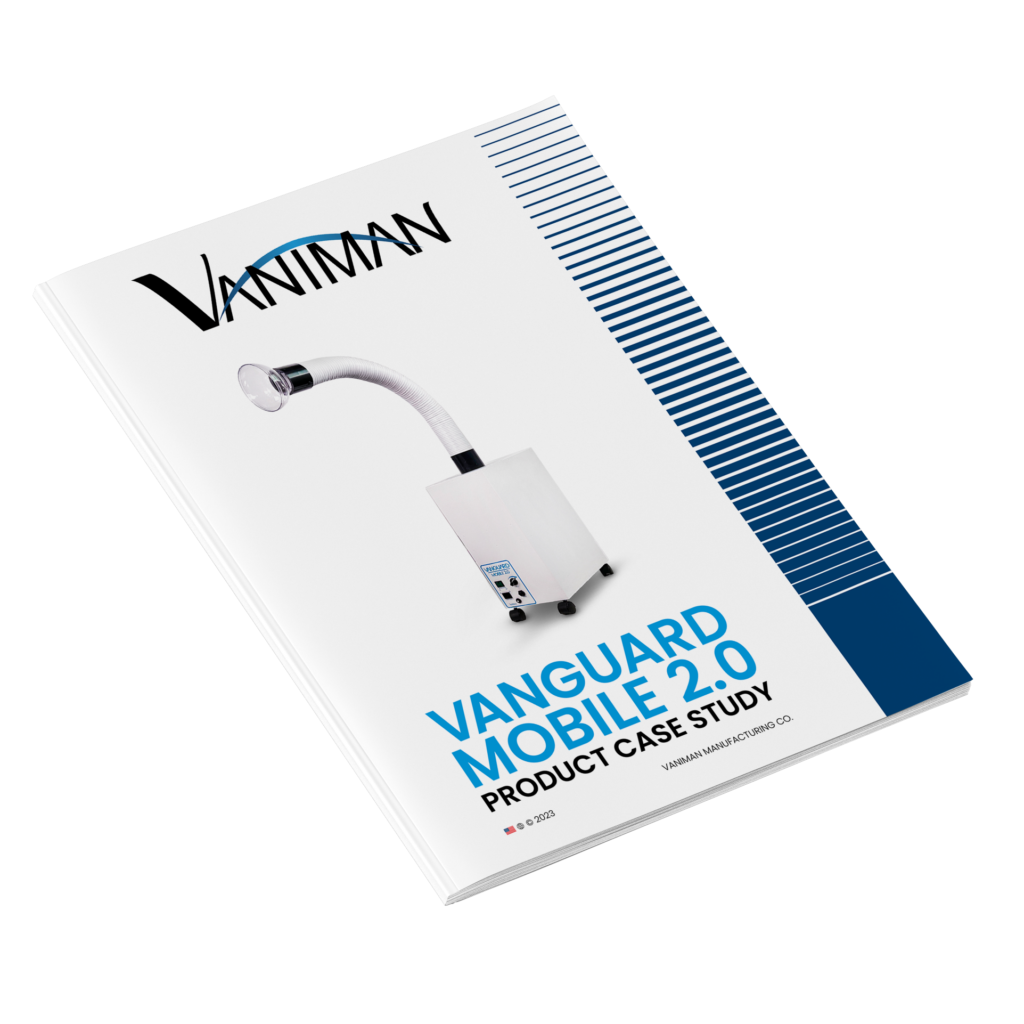
The Vaniman Vanguard Mobile 2.0 extraoral suction system uses a HEPA filter to ensure that aerosols as small as 0.3 micron get captured — small enough to trap aerosols that carry viruses.
Our unit has been tested professionally and was found to lower the bacterial loads from aerosols and spatter. When used in conjunction with HVE (compared to HVE alone), reductions are as much as 84% for aerosols and 95% for spatter.
And with Vaniman’s advanced sound dampening design and small, portable footprint, the Vanguard Mobile is an ideal solution for dental offices today and for the future.
- High-Suction Turbine Motor with 4 Speed Adjustment
- Quiet 50db Operation (High Speed Scaler is 70db)
- Multi-Stage HEPA Filtration System Traps 99.97% of Aerosols @ 0.3 Micron – Equal to MERV 17
- Included Foot On/Off Switch
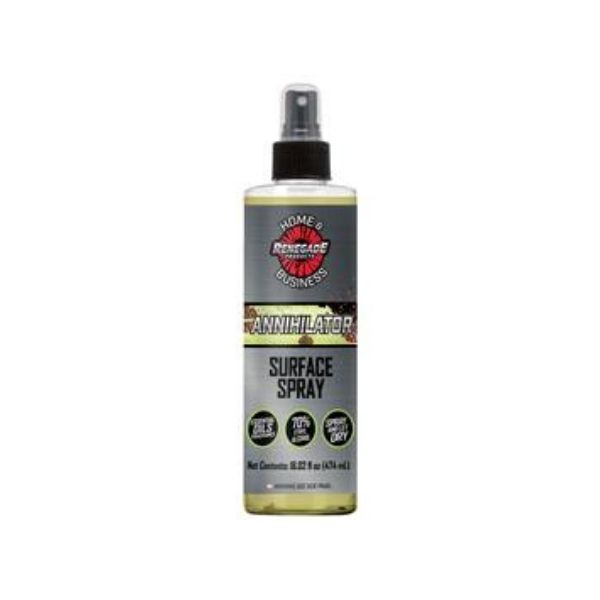
- Easy to Clean with Alcohol or Equivalent Anti-Viral Solution
- Easy Maintenance
- Low Repair Rate
- Vaniman 1 Year Manufacturer Warranty
- Available Tech Support
Read more about the science of the Vaniman Vanguard Mobile 2.0: