
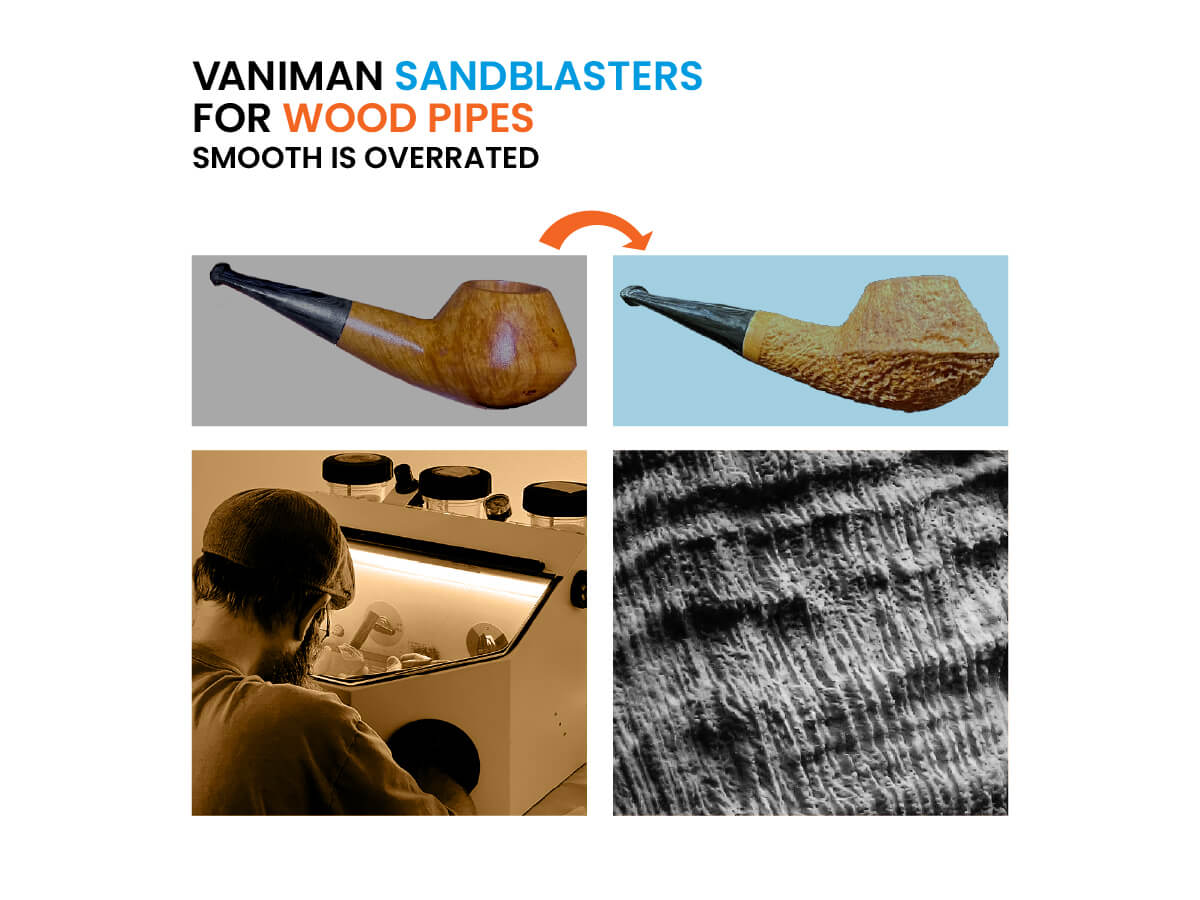
October 2026: catch our Mobile Problast sandblaster on display at the San Diego Pipe Club table (#74-76) at the Las Vegas International Pipe Show, 10/23-25
The craft of pipemaking is an old one — much older than microabrasive sandblasting technology. But microabrasive sandblasting is not all that new, either, and as technologies blend together over time, artisans begin to produce new kinds of works in large scale trends.
Sandblasting the wood bowl is very common in pipemaking, and has been for some time. But many pipemakers still think there’s a stark dichotemy: sandblasted or not sandblasted, and nothing more.
But take a closer look and you’ll see, sandblasting can produce very different results even on the same kinds of wood.
To blast or not to blast? That is the question.
Smooth pipes and textured pipes are purely an aesthetic preference. And since Vaniman has no tools for crafting a smooth pipe, this blog post will have nothing to do with that.
However, since we do make professional grade microabrasive sandblasters, we’re happy to talk about that all day long.
Different wood types for different results
Depending on what kind of wood you work with, you can expose the shape of the structural grain with varying degrees of detail.
Briar wood, for example, will show you both grain and cross-grain — up-and-down and side-to-side. Olive wood, on the other hand, doesn’t give you that crosshatch shape; its grain is generally parallel.
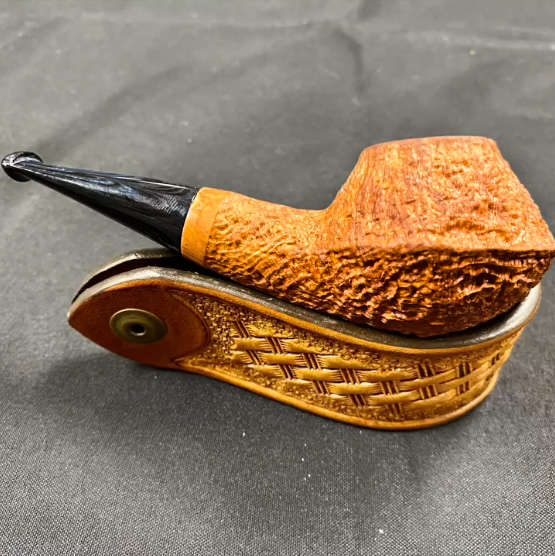
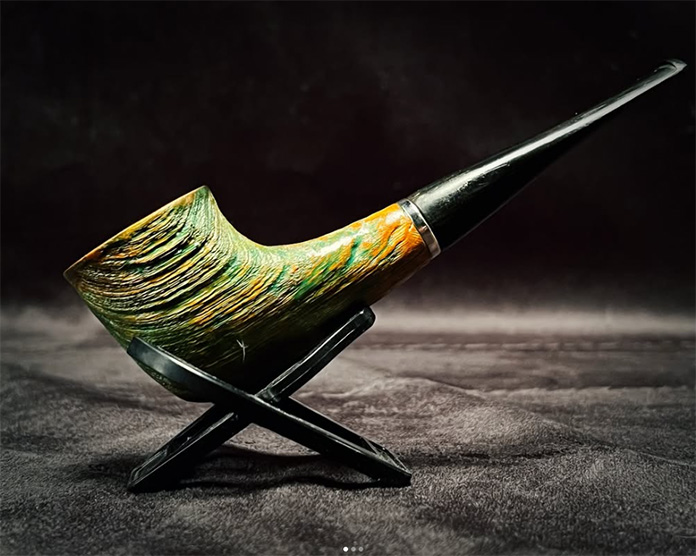
For nearly all wood types, though, one thing will be true: the finer your sandblasting media, the sharper the detail will be.
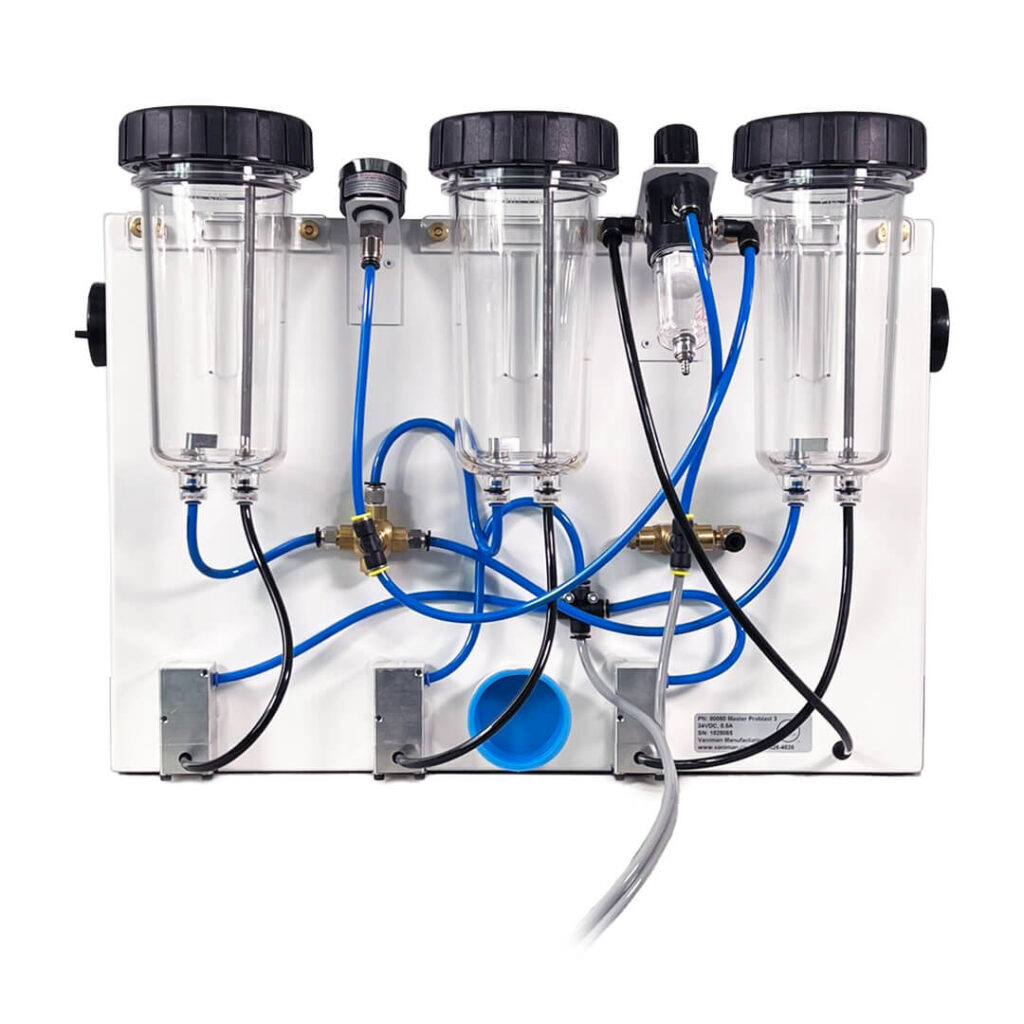
Vaniman’s sandblasters are designed for easy sand tank swapping. We offer three size ranges for media in our tanks, and all of them fit all our blasters, so you can swap size ranges as you like.
The process…
As our friend Chris from Copperbeard Pipeworks showed us, the sandblasting process matters a good deal as well.
There’s an order of operations, and that order is: start big, get progressively smaller.
Start with a pass of 250 μm aluminum oxide. The coarser grain aggressively takes away layers of softer wood in relatively larger chunks, subtly revealing the shape and direction of the grain underneath.
Next, move to 100 or 50 μm aluminum oxide. The smaller media removes more of the wood between the grain and cross grain, which not only makes them more visible, it also makes them more touchable, to where you can easily feel the texture with your fingertips. Finer grain will remove softer wood more deeply between the stronger fibers. You can take multiple passes to get a more thorough and more even reveal.
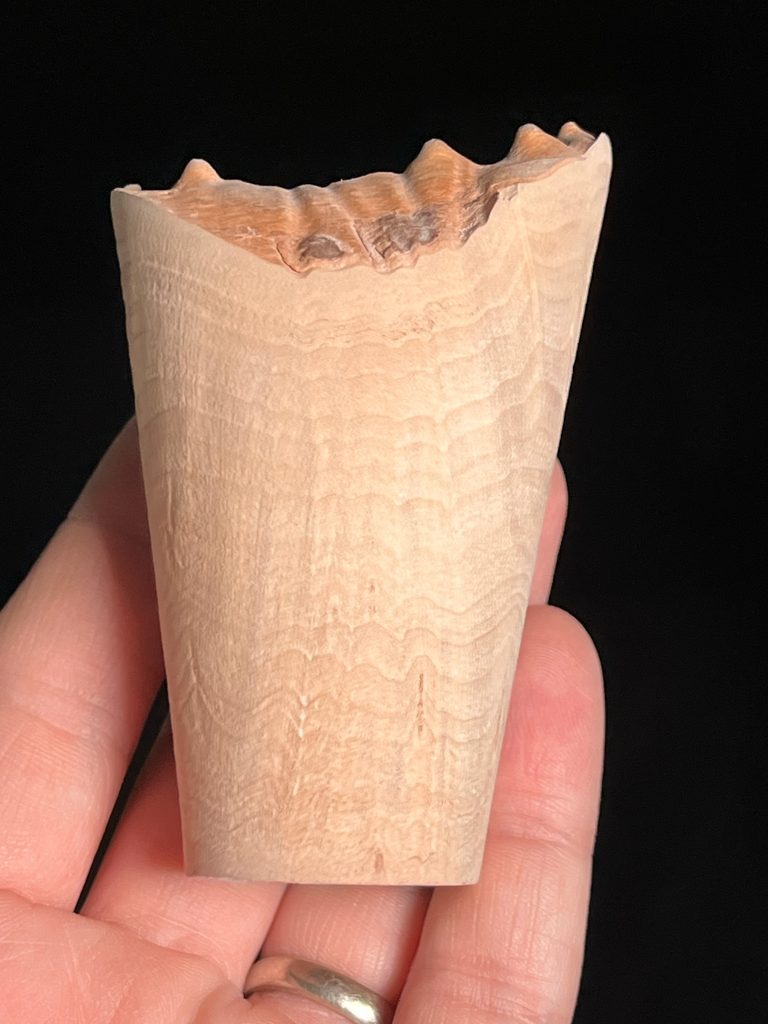
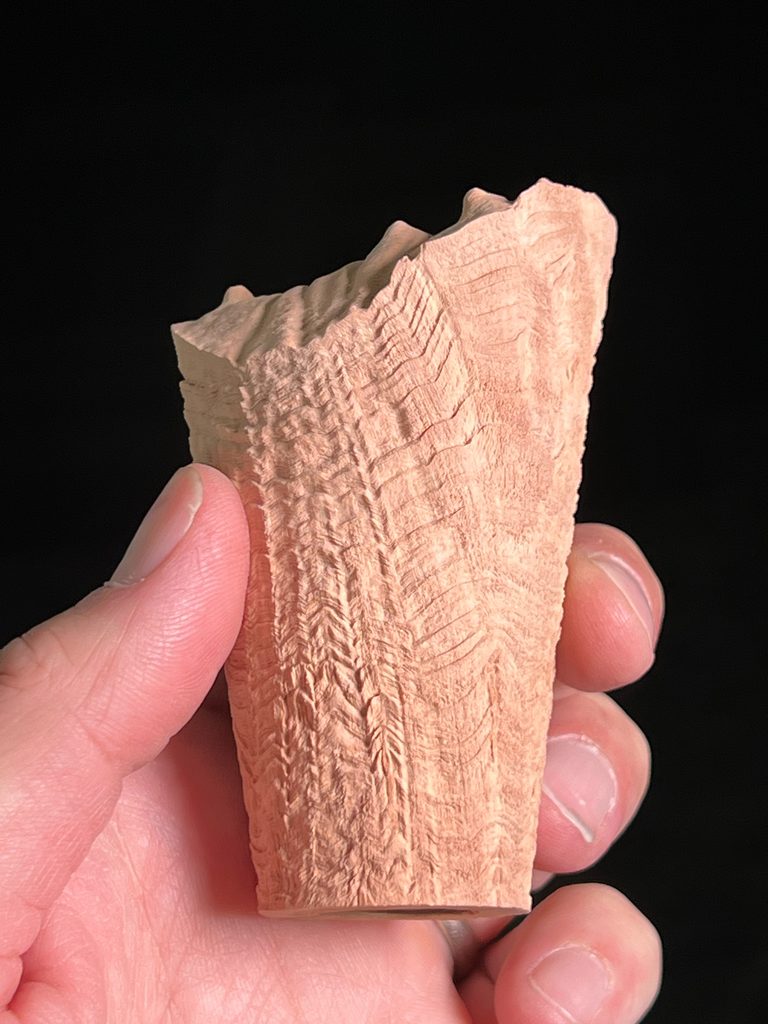
But the real money is in that ultra-fine 25 μm aluminum oxide blasting. This is our finest media and will dig where larger particulates simply cannot reach, which will deepen the shadows and make the details easier to see. The grain and cross grain positively pop after a pass or two with 25 μm media.
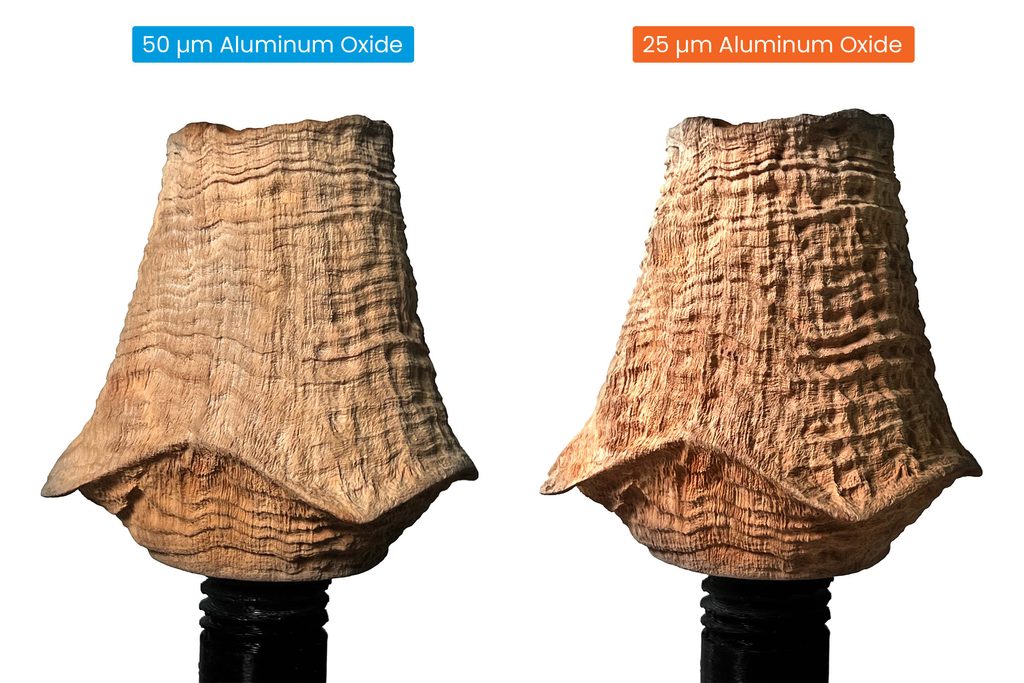
Under a microscope:
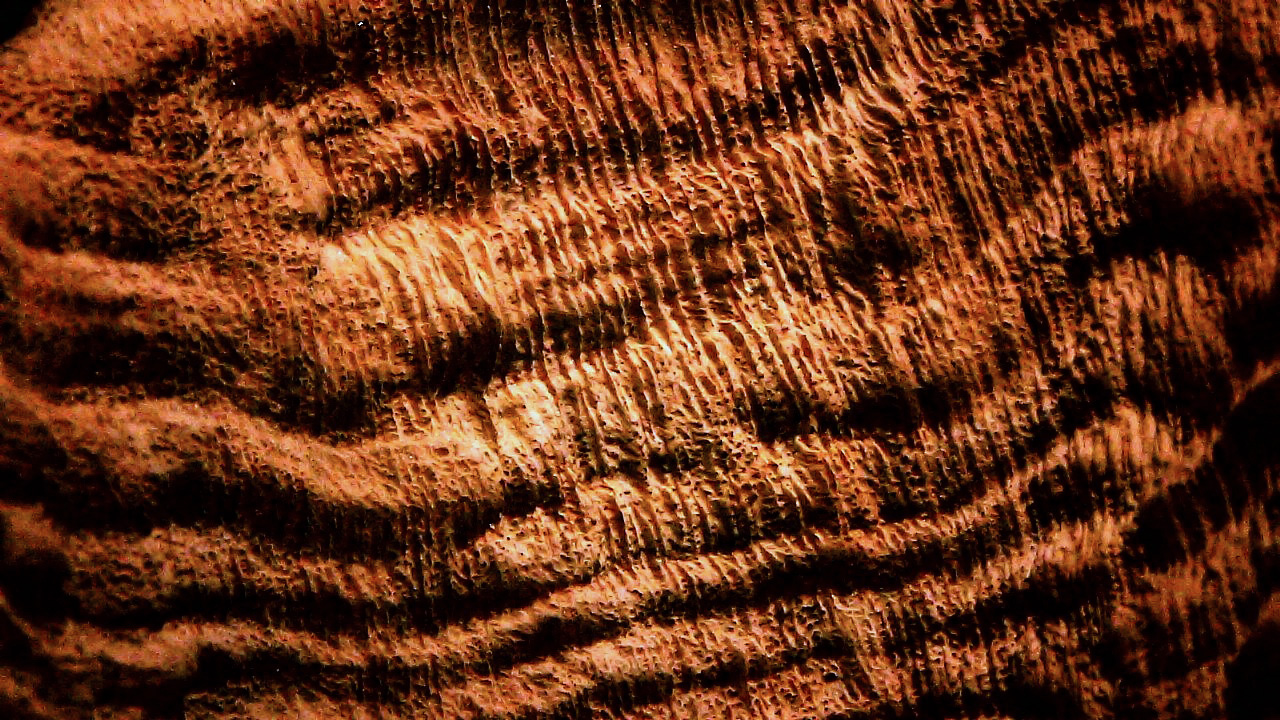
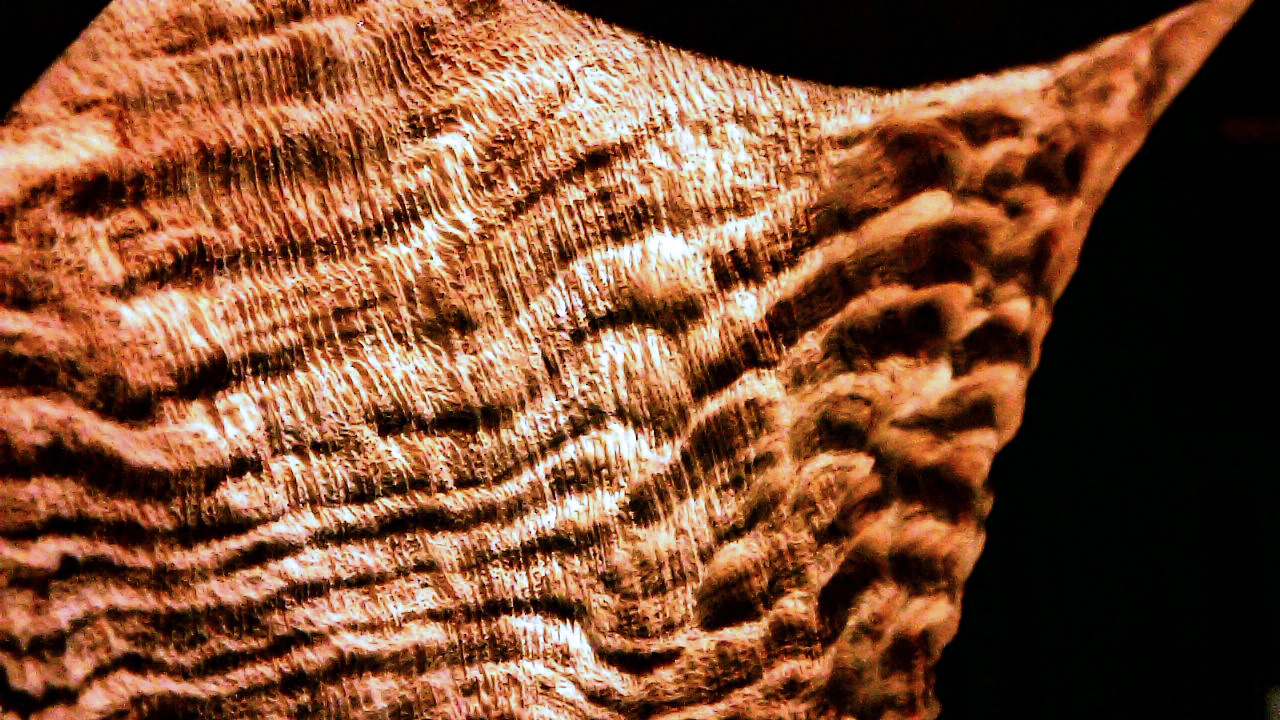
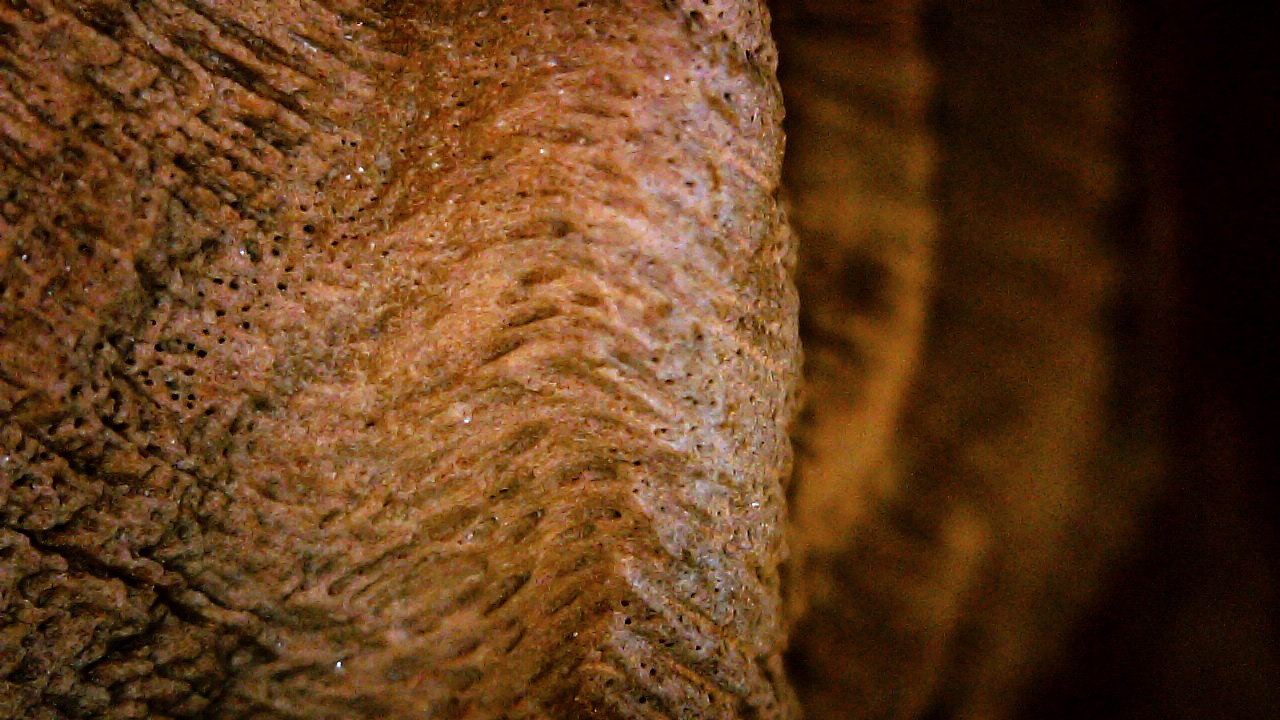
The detail is exquisite, and for experienced pipemakers, this brings a whole new level of craft without having to adopt any new methods. If you’ve been sandblasting pipes but haven’t used a Vaniman with our extremely small 25 μm blasting media, you’re in for a real treat.
Credit where it’s due: the pipe in these photos above, as well as the briar wood pipes farther up, were crafted by Copperbeard Pipeworks. Seriously, check his work out, it’s fantastic. Copperbeard Pipeworks on Instagram
Thinking about getting a sandblaster?
Vaniman is a company made up of real human beings, and we’re happy to answer any questions you may have by phone or email. We can walk you through our various sandblaster models, which ones need dust collection, and what other benchtop accessories we offer to suit your specific workshop.
Contact Vaniman or shop online
Reach out to us here with any questions, or shop our equipment on our website to order directly!
Sandblasters:
-
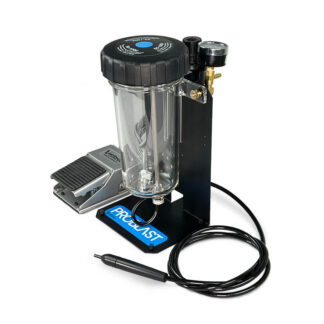
 Problast 3 – 80070$1,299.53View Details
-
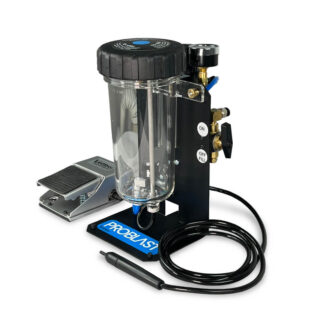
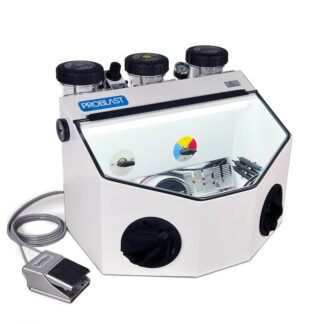 Master Problast 3 – 80060$1,606.08View Details
Dust Collector & Accessories:
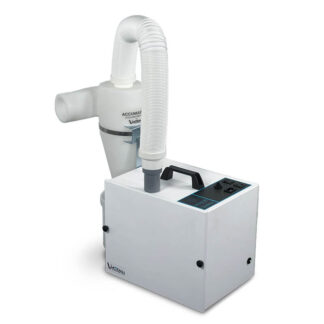

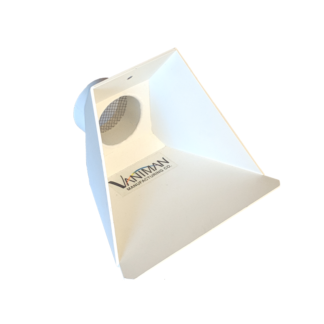
Additional Parts & Accessories:
-
 Sand Tank 110-250 micron Complete – 97958$73.56View Details
-
Sand Tank 50-100 micron Complete – 97957$73.56View Details
-
Sand Tank 25-50 micron Complete – 97956$73.56View Details
-
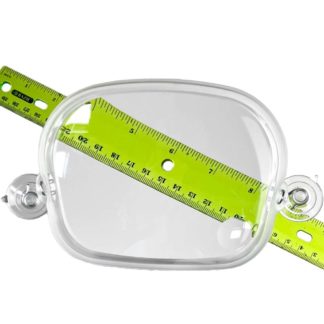 Perfect View Magnifier – 97955$72.01View Details
-
 Medium Blue Blasting Tip, .032″ (.8mm) – 97902$37.88View Details
-
 Extra Large Red Blasting Tip, 0.065″(1.6mm) – 97904$37.88View Details
-
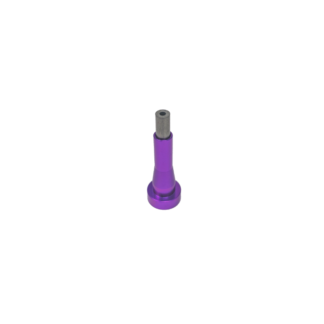 Large Violet Tip, 0.059″ (1.5mm) – 97907$37.88View Details
-
 Large Black Blasting Tip, .048″ (1.2mm) – 97903$37.88View Details
-
 Medium Green Blasting Tip, 0.036″(.91mm) – 97906$37.88View Details
-
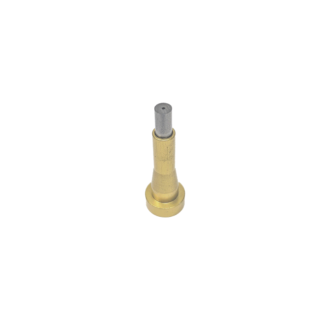 Small Yellow Blasting Tip, 0.026″(.65mm) – 97905$37.88View Details
-
 Static Cling Protector for Large Blasters 12/pk – 97951$36.30View Details
Abrasive Media:
25 Micron Aluminum Oxide:

50 Micron Aluminum Oxide:

100 Micron Aluminum Oxide:

250 Micron Aluminum Oxide:
